When people think of dinosaurs, they usually imagine giant creatures like T-Rex. However, not all dinosaurs were huge. Some of the most interesting species were actually small dinosaurs that lived millions of years ago.
These smaller dinosaurs were often fast, agile, and highly adaptable. Learning about them gives us a different perspective on prehistoric life and shows that size wasn’t everything in the dinosaur world.
Types of Small Dinosaurs You Should Know
There are many different types of small dinosaurs, each with unique features and behaviors. Some were plant-eaters, while others were active predators.
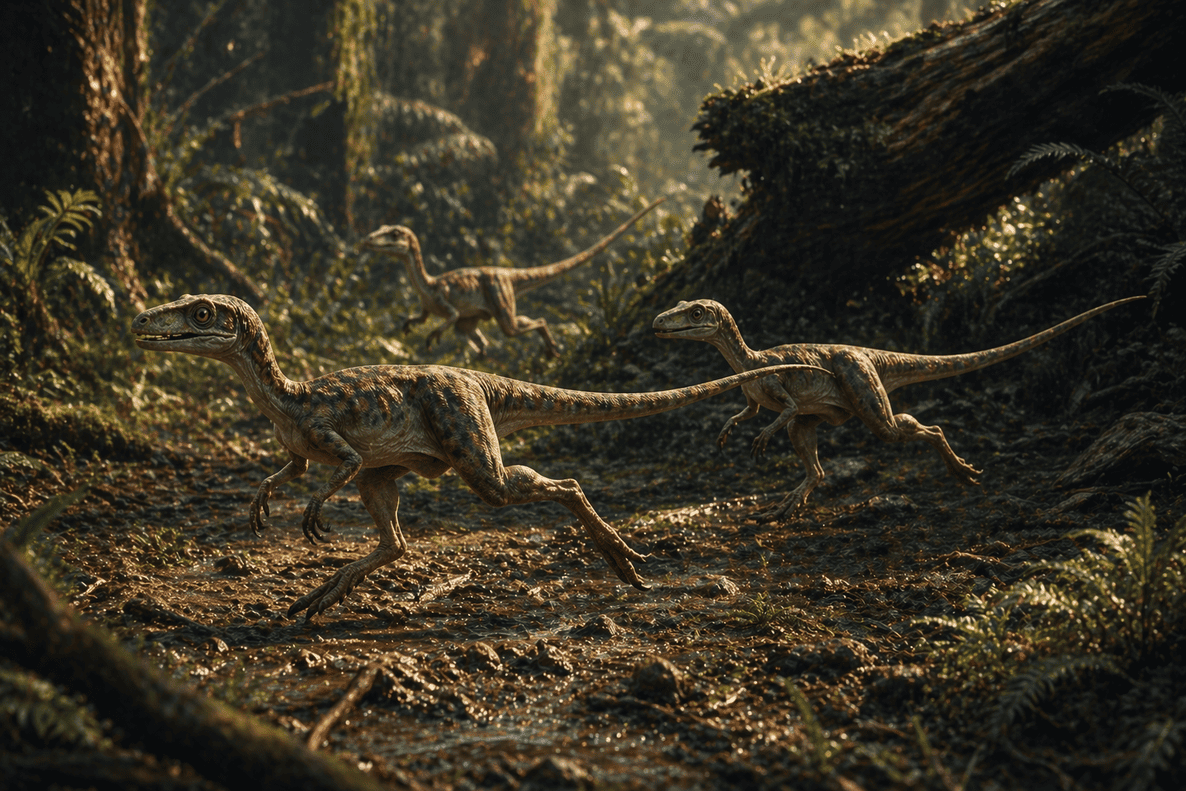
One of the most famous examples is Compsognathus. The term compsognathus small dinosaurs is often searched because of how tiny and lightweight this species was. It could run quickly and hunt small prey.
Other small dinosaurs include species that lived in groups, which helped them survive against larger predators. These dinosaurs prove that even small creatures could thrive in prehistoric environments.
In addition to Compsognathus, there were many other types of small dinosaurs that lived in different environments. Some lived in forests, while others preferred open plains where they could run freely.
These types of small dinosaurs adapted to their surroundings in unique ways. Some relied on camouflage to hide from predators, while others depended on speed or group behavior to survive. This diversity shows how flexible and successful small dinosaurs were in prehistoric times.
Some prehistoric animals, however, evolved into what we now call flying dinosaurs.
Really Small and Fast Small Dinosaurs
Some dinosaurs were incredibly tiny compared to the giants we usually imagine. These really small dinosaurs could be as small as modern birds, making them quick and hard to catch.
Speed was a key survival trait for many fast small dinosaurs. Their lightweight bodies and long legs allowed them to move quickly, either to hunt or escape danger.
This combination of size and speed made small dinosaurs highly efficient in their ecosystems. They didn’t rely on strength but on agility and intelligence.
Another advantage of being small was energy efficiency. Smaller dinosaurs needed less food compared to larger species, which made it easier for them to survive in environments with limited resources.
Because of this, many really small dinosaurs were able to live in areas where larger dinosaurs could not. Their ability to move quickly and adapt to changing conditions gave them a strong survival advantage.
Small Theropod Dinosaurs and Their Behavior
Many small dinosaurs belonged to a group called theropods. These small theropod dinosaurs were usually meat-eaters and had sharp teeth and claws.
They were active hunters and often relied on speed and coordination. Some scientists believe that certain theropods may have had feathers, linking them closely to modern birds.
Studying these dinosaurs helps researchers understand how dinosaurs evolved and how some species eventually became the birds we see today.
Fossil evidence suggests that some small theropod dinosaurs may have been highly intelligent compared to other species. Their brain-to-body ratio was relatively large, which could have helped them hunt more effectively.
This intelligence, combined with speed and agility, made small theropods some of the most efficient predators of their time. They did not rely on size, but on strategy and quick movement.
Conclusion
Small dinosaurs may not be as famous as giant ones, but they played an important role in prehistoric ecosystems. Their speed, intelligence, and adaptability made them successful in many environments.
Whether you’re interested in tiny predators or fast-moving species, small dinosaurs offer a fascinating look into a different side of the dinosaur world.