Dinosaurs are often seen in movies and books, but many people wonder how much of that is actually true. When we talk about real dinosaurs, we are referring to the creatures that truly lived on Earth millions of years ago.
Understanding real dinosaurs helps separate facts from fiction. It also shows how science has helped us learn more about these fascinating animals over time.
Are There Real Life Dinosaurs Today?
One of the most common questions is whether there are real life dinosaurs today. The answer is both simple and surprising. While non-avian dinosaurs went extinct millions of years ago, birds are actually considered their modern descendants. This means that in a scientific sense, dinosaurs still exist today in the form of birds. However, large dinosaurs like T-Rex or Triceratops no longer exist in the modern world.
This idea can feel surprising, but it is supported by scientific evidence. Birds share many characteristics with dinosaurs, including bone structure and certain behaviors. Over millions of years, these creatures evolved and adapted to new environments, eventually becoming the birds we see today.
When people search for real life dinosaurs today, they often imagine large prehistoric animals still roaming the Earth. In reality, evolution has changed these creatures significantly, but their connection to dinosaurs remains an important scientific fact.
Are Jurassic Park Dinosaurs Real?
Movies have made dinosaurs more popular than ever, especially the idea of Jurassic Park dinosaurs real. However, the reality is very different from what we see on screen. Scientists have not been able to bring dinosaurs back to life. While DNA research is advancing, there is currently no way to recreate real dinosaurs from the past. That said, movies are often inspired by real discoveries, even if they exaggerate details for entertainment.
The concept of Jurassic Park dinosaurs real has fascinated people for years. While the idea of cloning dinosaurs from DNA sounds exciting, there are major scientific limitations. DNA breaks down over time, and no complete dinosaur DNA has been found that could be used to recreate these animals.
Researchers continue to study fossils and ancient remains to learn more about dinosaurs. Instead of bringing them back, science focuses on understanding how they lived, moved, and interacted with their environment.
Real Scary Dinosaurs and Extinct Species
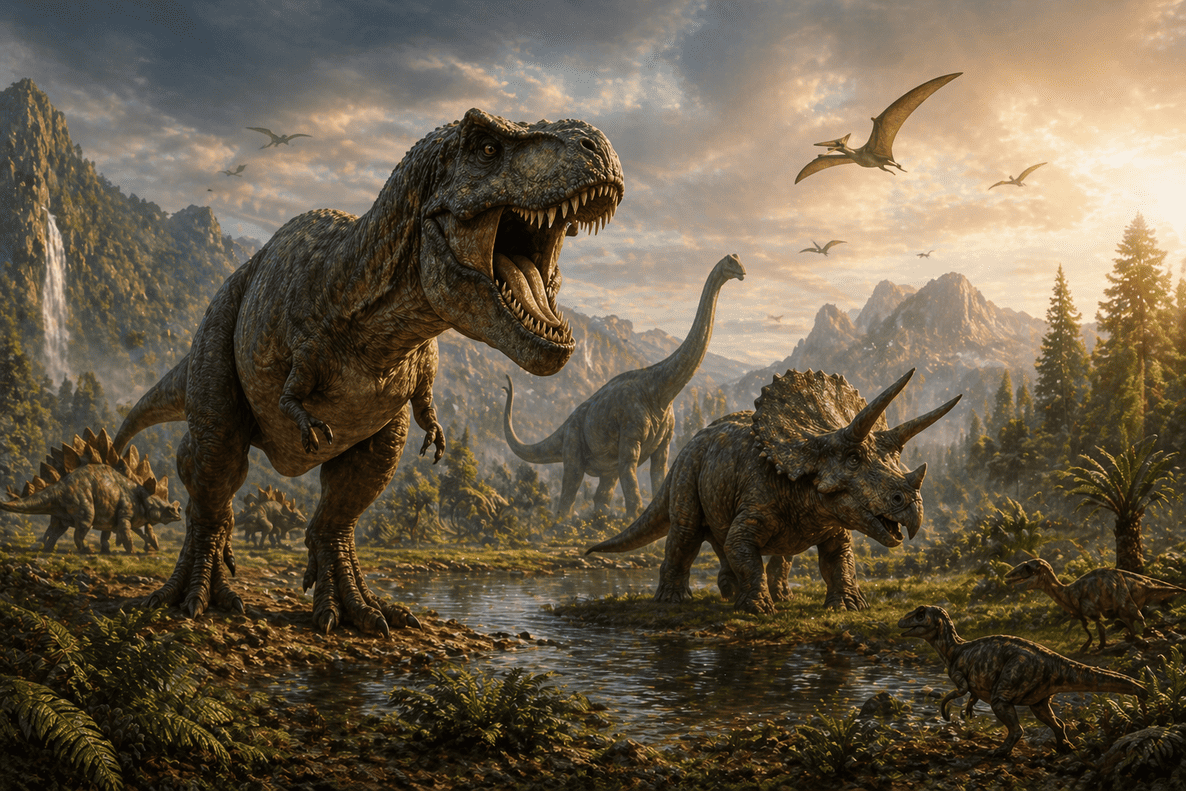
Some dinosaurs were truly powerful and could be considered real scary dinosaurs. For example, Tyrannosaurus rex had strong jaws, while Spinosaurus was adapted for hunting in water.
These animals were part of a group of real extinct dinosaurs that lived millions of years ago. Fossils and scientific research help us understand how they lived, hunted, and survived. Learning about these species gives us a more accurate picture of prehistoric life.
Many of these real scary dinosaurs were at the top of the food chain. Their size, strength, and hunting abilities made them dominant predators in their ecosystems. At the same time, herbivorous dinosaurs developed defenses such as horns, armor, and strong tails to protect themselves.
Studying real extinct dinosaurs helps scientists understand how life on Earth has changed over time. Fossils provide important clues about climate, habitats, and evolution, making dinosaurs a key part of scientific research.
Conclusion
Real dinosaurs may not exist in the same form today, but their legacy is still alive through science and modern animals like birds. Exploring their history helps us understand both the past and the natural world today.
From fossils to scientific discoveries, real dinosaurs continue to capture our curiosity and imagination.
Some species eventually adapted to new environments, including those we describe as flying dinosaurs.